It’s sad and telling that with respect to both the US attack on Iran in June 2025 and the current attack on Venezuela, few if any commentators, whether supportive of the United States or opposed, have described what happened in essential terms. In both cases, the United States committed an unprovoked act of aggression against a country that had not initiated aggression against it. Put another way, the United States deliberately breached what had previously been a condition of peace between the two countries on the unargued premise that it had the moral right to attack its perceived enemies at will, regardless of anything they may or may not have done to warrant an attack. There are other things worth saying about both cases, but nothing more fundamental than that.
Continue readingStirring the POT (5)
Politics and the Problematics of Fun
I started my “Stirring the POT” series earlier this year as a vehicle for announcements, but it gradually morphed into a series of ruminations on conferences I attended. The latter turned out to be the more interesting enterprise, so I’ll close out the year with a belated conference rumination. This past April, I went to San Francisco, at the invitation of Roderick Long and the Molinari Society, to be on an Author-Meets-Critics panel on Gary Chartier’s Christianity and the Nation State. It promised to be a good time, and it was. Continue reading
No, Eminent Domain is Not Purchase
Another letter to the editor of Princeton’s Town Topics, a newspaper that seems to have a pronounced allergy to fact-based reporting.
To the Editor:
A summary of the year’s events in the December 31 issue of Town Topics asserts: “The former Westminster Choir College campus is now under the aegis of the municipality, which purchased the Walnut Lane site in April, and is currently exploring design alternatives.” The same article later asserts: “In February, the municipality took another step toward purchasing the Westminster campus by hiring the Newark-based consultants Topology….The $42 million acquisition was finalized in April.” Continue reading
The Immigrant Trust Tour: West Orange Yet Again
I’ve been pleased to see that my blog posts here have generated a bit of press coverage in favor of an Immigrant Trust Act (ITA) resolution in West Orange. This piece, in the November 20 issue of TapInto West Orange, covered my initial statement to West Orange Town Council. This one, in the December 23 issue of The West Orange Dispatch, essentially brings things up to date. Continue reading
The Immigrant Trust Tour: Middlesex County Again
Second Statement to the Middlesex County Board of County Commissioners
75 Bayard St
New Brunswick, New Jersey
December 18, 2025
My name is Irfan Khawaja. I live in Princeton and work in Iselin. I’m here to advocate for the county’s passing a resolution in favor of the Immigrant Trust Act (ITA). Last time I was here, I recounted a story of an unfortunate event in Edison back in 2024 in which the mayor of that town abused a bunch of migrants with impunity. The point of the story was to suggest that had the ITA been in place, the abuse wouldn’t have happened. Continue reading
Limits in Chicago!

EDIT: Location is Clark 9 (7th floor).
In addition to its usual Eastern symposium, the Molinari Society will be holding its first-ever Central Symposium in conjunction with the Central Division of the American Philosophical Association in Chicago, 18-21 February 2026.
Here’s the schedule info:
Molinari Society symposium: The Limits of Markets
G10E. Thursday, 19 February 2026, 7:00-9:50pm [that’s how long we have the room for; we’re unlikely to run that long], Palmer House Hilton, 17 E. Monroe St., Chicago IL 60603, room TBA.
chair: Roderick T. Long (Auburn University)
speakers:
James Stacey Taylor (The College of New Jersey) and Amy E. White (Ohio University), “Why Some Things Should (Typically) Not Be For Sale”
commentators:
Jason Lee Byas (Georgetown Institute for the Study of Markets and Ethics)
Ryan Davis (Brigham Young University)
Rome If You Want To
Here’s a parlor game anyone can play. Familiarize yourself with the controversy about the “ICE manger” at St Susanna’s Church in Dedham, Massachusetts. Then get into an argument about it with any specifically Christian critic of the parish and/or apologist for ICE. Then count how many minutes it takes before they sacrifice both Baby Jesus and the Holy Family to Herod, Caesar, and the Roman Empire. In my experience, it takes about two.
Continue readingPsycho Circus
Follow these instructions precisely. As a preliminary precaution, first visit the bathroom. Then find coverage of the rock group KISS at the Kennedy Center Honors last night. Then listen in sequence to the songs “Psycho Circus,” and “Lick It Up,” and see if you can hold it together. Don’t skip the videos.
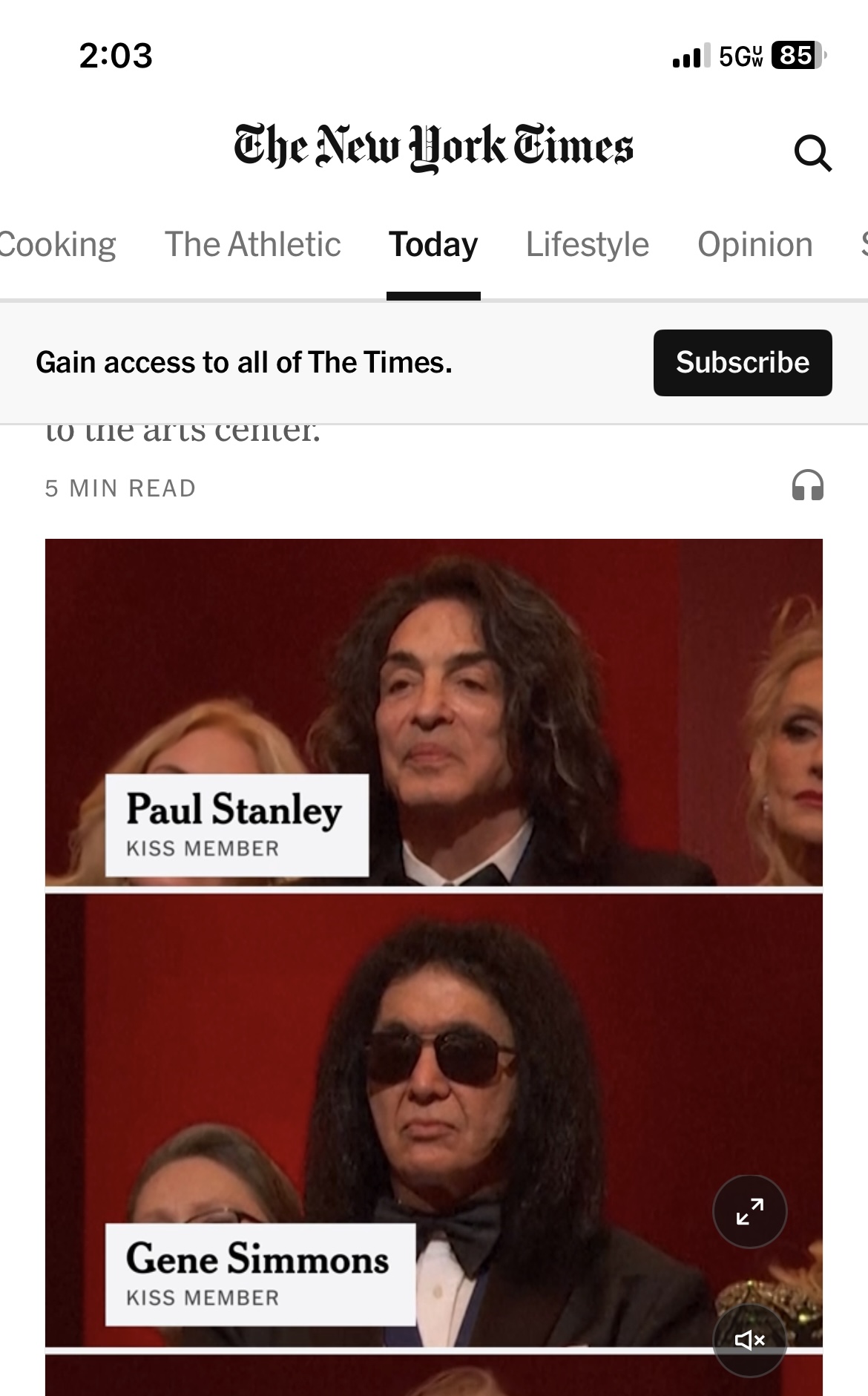
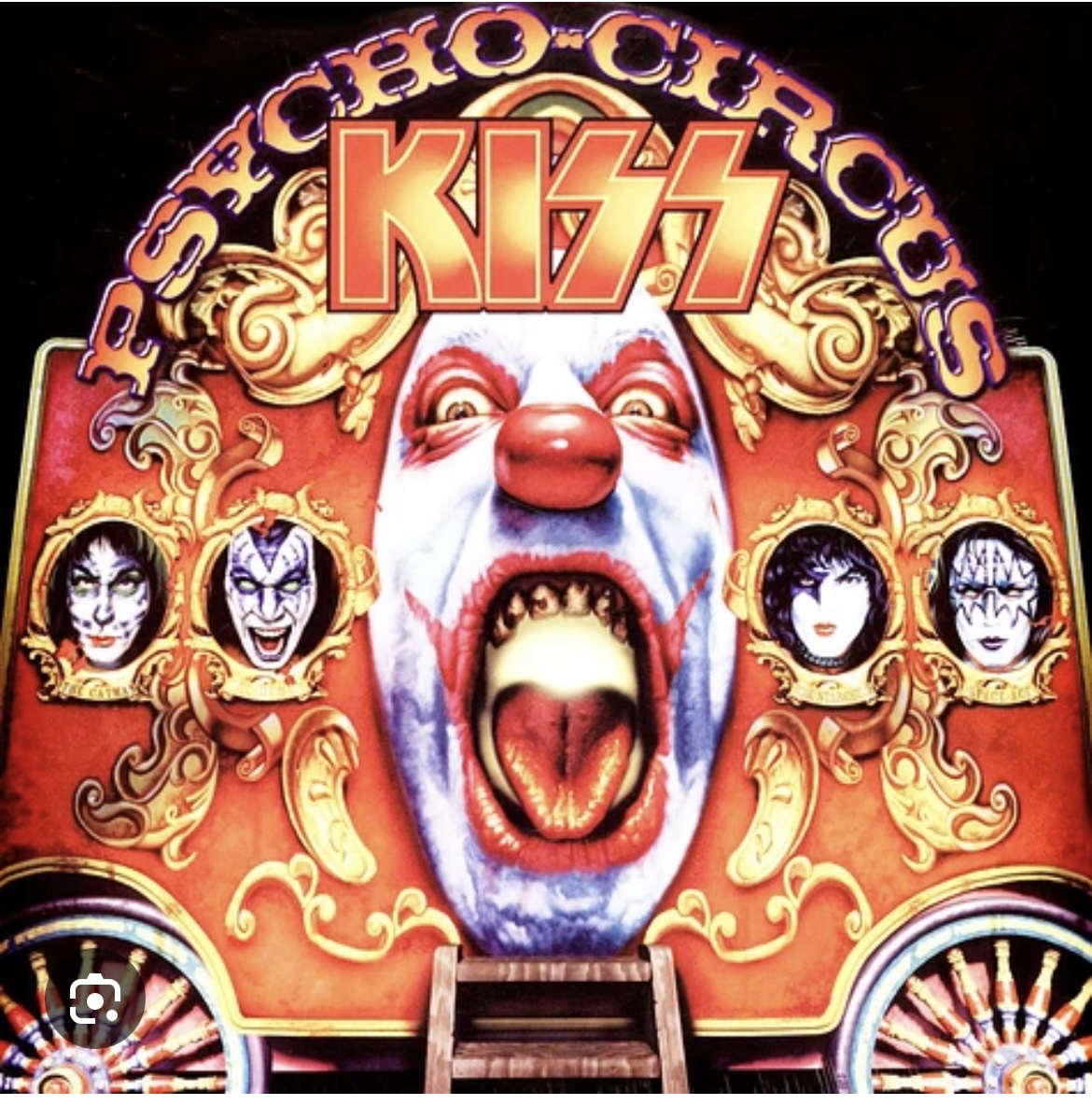
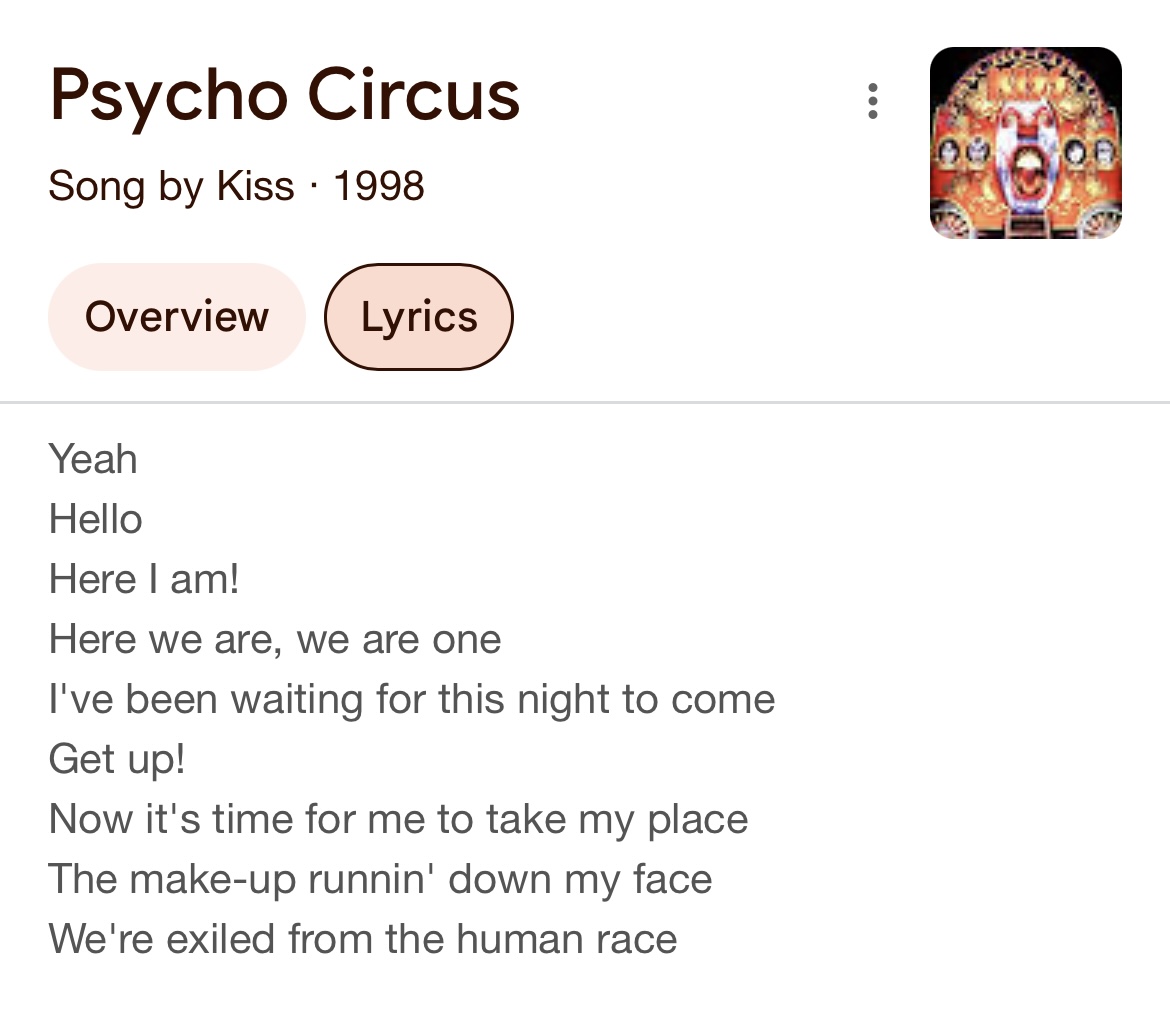
If it’s not immediately visible to you (you get different interfaces on different devices), make sure you click on the last screenshot, for the lyrics to “Psycho Circus”: “We’re exiled from the human race.” Hard to beat.
As my friend Nicky Reid puts it, “it’s funny that Ace Frehley, the only member of Kiss with any talent, decided to die instead of showing up to this thing.” For once, “Rest In Peace” actually means something.
Ominous Parallels
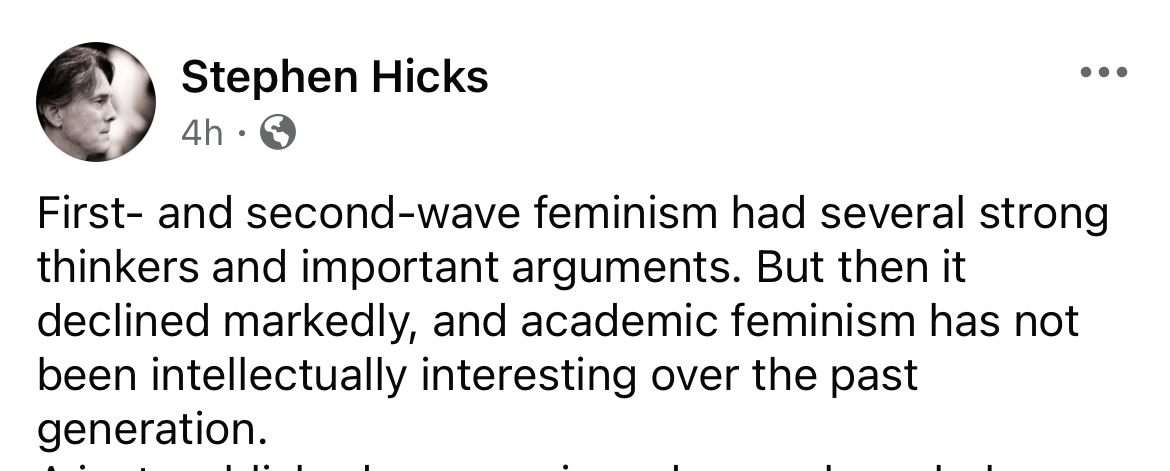
Mutatis mutandis, that’s exactly what I think of Stephen’s own writing. First and second wave Hicks had some interesting arguments, but then came the decline.
The Contradictions of Institutional Neutrality
Coming Attractions in My Jihad Against Institutional Neutrality
Over the last year or so, I’ve written about two dozen posts here critiquing institutional neutrality, and given maybe a half dozen conference presentations on the subject. But in some ways, the criticisms I’ve made so far are peripheral to the fundamental problem with the doctrine. The fundamental problem is that it’s self-contradictory and self-subversive. This latter problem is so obvious, and so obviously fatal to the doctrine, that stating it threatens to trivialize the whole discussion about institutional neutrality: if the doctrine is self-contradictory, why discuss it? Good question. In any case, I might as well articulate the objection, if only to put it out there. Continue reading
 Policy of Truth