EVS Journal 8: More Scenes from Life on Call in the OR
Up to this point, what I have accepted as very true I have derived either from the senses or through the senses. However, sometimes I have discovered that these are mistaken, and it is prudent never to place one’s entire trust in things which have deceived us even once.
Descartes, Meditations on First Philosophy, Meditation 1
I’m on call in the OR for New Year’s Day, 8 am to midnight–an irritation after a long sleep-deprived week of work, including all of New Year’s Eve spent in the OR. I wake up on New Year’s Day, and decide, on a mere hunch or whim, to drive to the hospital mid-morning, pre-empting the phone call that calls me in to the hospital, operating instead (so to speak) on the premonition that if I go to the OR unbidden, there’ll inevitably be a case waiting for me to do, which I’ll then be in a position to “head off at the pass,” whatever that’s supposed to mean in this non-cowboy context.
And indeed there is. The place should be abandoned, but seems to be the site of surgery-imminent activity. Irritated nurses are filing in. Tense, hyper alert surgeons are flitting about. Bored, jaded anethesiologists saunter by. I walk up to the charge nurse and pop the question: no, not whether she’ll marry me, but whether there’s a case to be done this morning, which there definitely is. “Oh, there’s definitely a case,” she says, pretty definitively. And there it is, up on the screen, our New Year’s Day add-on case. Intuition confirmed. Epistemic confidence vindicated.
I haven’t clocked in, and I’m still in street clothes. No need to clock in or change into scrubs just yet, I figure; they won’t need me until after the surgery, not before, and the surgery hasn’t even properly started yet. So I head to the break room, put my feet up, and start with avid interest to read the newspaper.
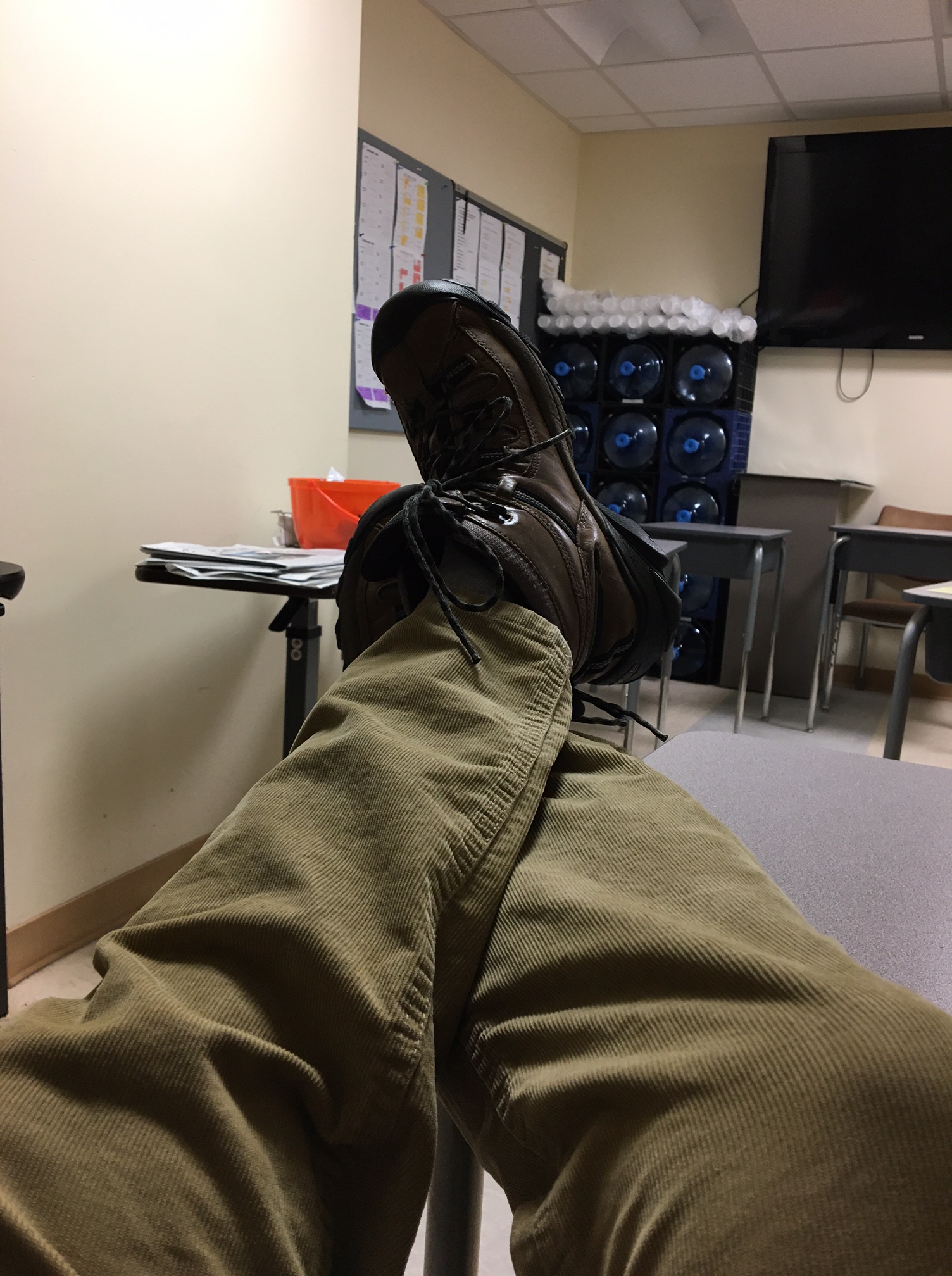
This particular intuition–“no need to clock in or change into scrubs just yet”–turns out to be dead wrong. I’ve gotten through maybe a paragraph of the Star-Ledger when a nurse appears in the break room with that earnest requesty look on her face. “Do you know how to put together a cysto bed with stirrups and hoop?” she asks, in the dulcet tone of voice I associate with someone’s wanting to know if I’m at all interested in going to the prom.
Indeed, I do know how to assemble a cysto bed with stirrups and hoop, so, with some reluctance, I say so. To my surprise and chagrin, my answer backfires, because the nurse seems to be asking a more-than-theoretical question. So the next question becomes: “Um, can you help us put one together in OR 6?” I speak rudimentary Nurse, so I know that in English, this sentence of Nurse translates to: “Can you put one together for us in OR 6?” Which is not what I expected.
Unbeknownst to my nurse colleagues, deep epistemic complications are involved in this apparently innocuous request. Know in what sense? Can in what sense? Yes, in some sense I know how to put together a cysto bed with stirrups and hoop, and in some sense, I can, or probably can, in principle, actually put one together. The problem is, both “can” and “know” are compatible with my merely having watched other people do the assembling, and never having done any of my own. If only these nurses had read their quota of J.L. Austin and Descartes, I’d be able to explain this to them. But they haven’t. And a surgical emergency doesn’t seem like the time for a seminar on the topic.
Well, to make a long story short, there’s always a first time, so I end up setting the cystoscopy bed up without incident, with stirrup and hoops. The surgery seems to take place without incident, as well. In fact, the patient comes out of the OR after the surgery with a smile on her face, relieved of whatever condition she had when she went in. I go into the room as they wheel her out, clean the room, set it up for the next case, and clock out.
It’s mid-afternoon, and there don’t seem to be any more cases, but I’m on call, so not done for the day. I’m on until midnight, so they can call me any time before then. But I’m sleep deprived, fatigued, and struggling with all my might to stay awake.
Finally midnight comes and passes. I go home. I lie down. I can relax. Sleep settles in.
1 am. I’m suddenly awake, gripped by the overwhelming fear that I left a dirty rag in the hallway outside OR 6. I remember throwing it there before I set up the room, but not picking it up and throwing it out. Panic builds. How could I have done this? How?
I wrench myself up. No option: I get in the car, drive to the hospital in the freezing rain, change into scrubs, and slip into the OR. I walk to OR 6, fully expecting to be greeted by a crumpled lime-green rag, laughing at my idiocy. But there’s nothing there. Just an ominous, empty space on the floor where the rag was supposed to be.

Descent into paranoia. Who removed it? A nurse? A surgeon? The Chief Medical Officer of the hospital? The Joint Commission? Anthony Fauci? There were no cases after mine. Or were there? I was the last person out of the OR. Or was I? Are they secretly doing cases and not telling me? Where? Who’s setting them up? Who’s cleaning them up? Is there a phantom EVS staff I don’t know about? Who runs it? How long is their lunch break? I look to the heavens for an answer, but God is silent. As usual. The panic reaches a crescendo.
I walk into the decontamination room. The rag is in its proper bin. How did it get there? Did it pick itself off the floor and walk? Or…did I put it there, and forget that I did? I stare at the rag for awhile. It sits there mutely, like a criminal suspect taking the Fifth.
The mystery goes unsolved. But now that I’m in the OR, I might as well check OR 6 for any other mistakes I made (or mistakes I made about mistakes I didn’t make, or…). I turn on the lights. The room just stares back at me, as if to say, “Go home, you paranoid asshole. You’re only making things worse.”
But that’s Satan talking, so I don’t listen. As we know, Satan rushes you out of your paranoid states, and back home to bed like a semi-normal human being. No way I’m falling for that shit. I look at the floor. I look at the equipment. I look at the bed. I check the anesthesia table. It’s a small, uncomplicated room. But I’m pretty sure I fucked something up. But where? How is it that the impulse to make things better and the risk of making them worse are indistinguishable when it matters?

No matter. I’m pretty sure that the next time they operate in here, the stirrups will fall off the bed, taking the patient’s leg with it; the cautery will catch fire, burning the hospital down; the lights will fall on the surgeon, decapitating him. I’m sure I’ll have missed exactly the spot on the floor or surfaces that produced the exact pathogen that starts a new, deadlier pandemic than COVID19. I’m equally certain that a bomb will go off–brought into the OR after being stuck to the bottom of my shoes–confirming to everyone that I really am the terrorist I’ve been accused of being for the last three decades. These all seem like real possibilities. So does the thought that if I got one thing wrong, I might have gotten two.
By this time, it’s approaching 2 am, and I’m not coming up with anything. As with all epistemological crises, I’m on my own here. There is no God. There is no helpful authority figure. Google can’t help. The only person I’ve seen so far is some bro from housekeeping on the graveyard shift, pushing his cart toward the ER. Two minds of our caliber aren’t going to solve any actual problems, much less the insane shit I’ve conjured up at 1 am in a dazed dream state. I think briefly of surrendering to Behavioral Health. But will that make things better or worse?
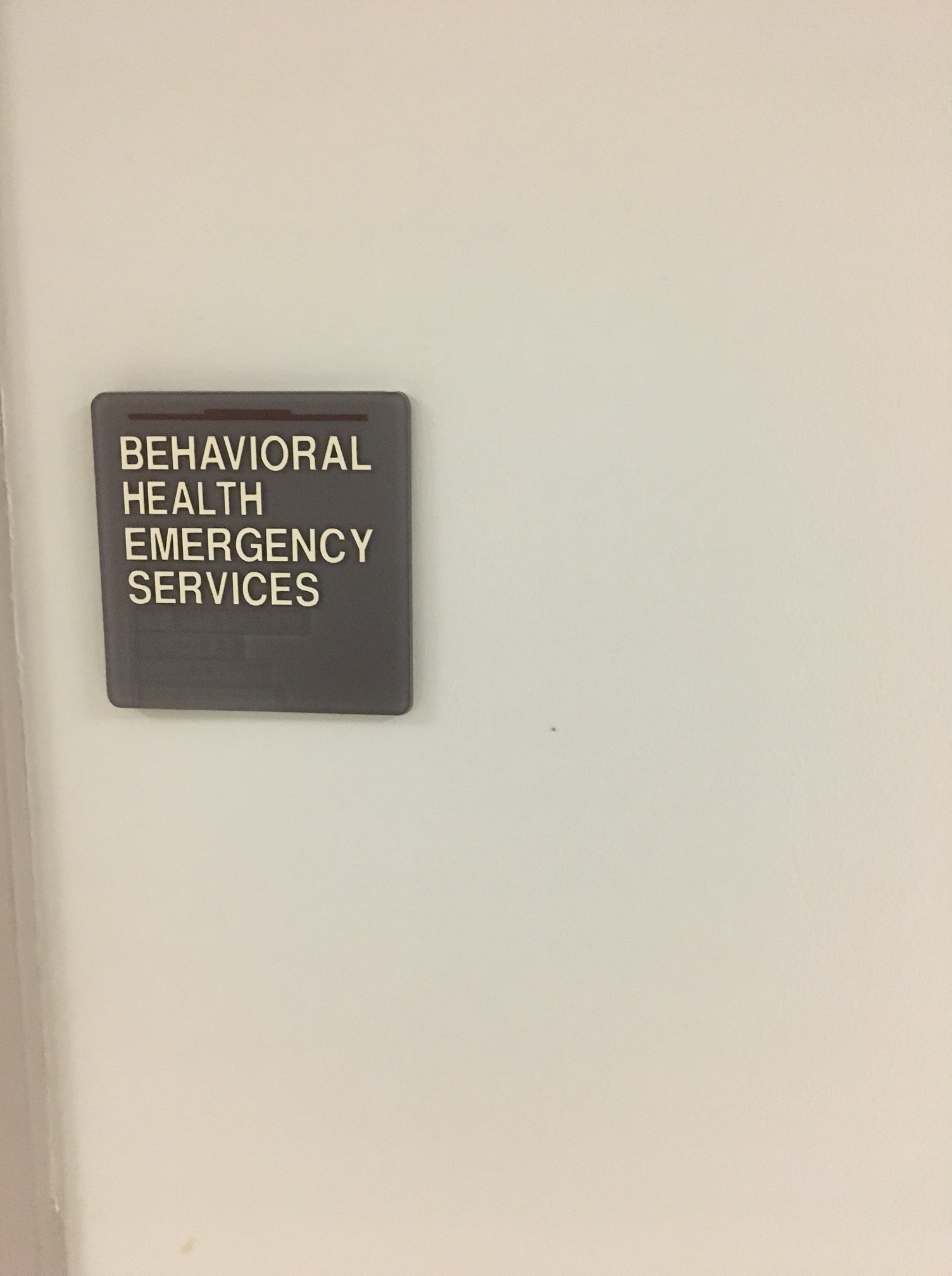
So I go home and go to sleep.
I wake up the next morning, waiting for catastrophe to descend.
It doesn’t. Life in the OR trundles on. If that rag killed anyone, I’m the last to know.
Paranoia? Or conscientiousness? Or just a valuable lesson for next time? Maybe all three.
 Policy of Truth
The rag will return when you least expect it. The sword of vengeance sleeps but does not die.
LikeLike
No doubt.
LikeLike
LikeLike